
Best Coffee For Espresso
The best coffee for espresso is fresh, smooth, full-bodied, and flavorful enough to hold up under pressure. Here is how to choose espresso coffee — and which French Settlement Roasting Co. coffees we recommend for bold, balanced shots.
The Simple Answer
The best coffee for espresso is usually a fresh medium, medium-dark, or dark roast with good body, low harsh bitterness, and flavor notes like chocolate, caramel, nuts, spice, or deep sweetness.
Espresso is concentrated, so every flavor becomes more noticeable. Smooth coffee becomes rich and satisfying. Harsh coffee becomes even more bitter. That is why fresh, well-roasted coffee matters so much.
Our Best Coffees For Espresso
These coffees work well for espresso because they bring body, sweetness, depth, and enough strength to stand up in straight shots, Americanos, lattes, cappuccinos, and iced espresso drinks.

Jet Fuel
Bold, low-acid, medium-dark, and strong with dark chocolate, vanilla, cinnamon, and earthy notes. Jet Fuel is ideal for espresso drinkers who want intensity with a smooth finish.
Best for: espresso, Americano, latte, cappuccino, iced espresso, and strong drip coffee.
Shop Jet Fuel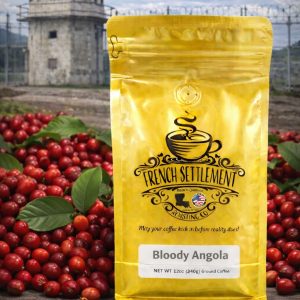
Bloody Angola Blend
Rich, bold, smooth, and full-bodied with deep chocolate notes and smoky undertones. Bloody Angola Blend makes an excellent espresso for people who want a deeper, richer cup.
Best for: espresso, French press, drip coffee, cold brew, and milk-based drinks.
Shop Bloody Angola Blend
Colombian
Smooth, creamy, balanced, and naturally sweet with chocolate and cherry notes. Colombian is a great espresso option for people who want balance instead of extreme boldness.
Best for: espresso, drip coffee, pour over, French press, and everyday brewing.
Shop ColombianWhat Makes Coffee Good For Espresso?
Espresso is brewed by forcing hot water through finely ground coffee under pressure. Because the drink is concentrated, the coffee needs to be balanced, fresh, and properly ground.
Full Body
Espresso should feel rich and satisfying, not thin or watery. Full-bodied coffees usually perform better under pressure.
Low Harsh Bitterness
Espresso concentrates flavor. If the coffee is harsh, stale, or over-roasted, that bitterness becomes more obvious.
Natural Sweetness
Chocolate, caramel, vanilla, nutty, and sweet notes help espresso taste balanced instead of sharp.
Fresh Roasting
Fresh coffee gives espresso better aroma, crema potential, and cleaner flavor than stale coffee.
Proper Grind
Espresso needs a fine grind. Too coarse can taste sour and weak. Too fine can taste bitter and slow.
Balanced Roast
Medium, medium-dark, and dark roasts are common for espresso because they provide body and depth.
Best Roast Level For Espresso
Espresso can be made with many roast levels, but most people prefer medium, medium-dark, or dark roast because these roast levels usually create more body, sweetness, and depth.
| Roast Level | Espresso Flavor | Best For |
|---|---|---|
| Light Roast | Bright, acidic, fruity, sometimes sharp | Experienced espresso drinkers who enjoy complexity |
| Medium Roast | Balanced, sweet, smooth, approachable | Straight shots, Americanos, balanced espresso |
| Medium-Dark Roast | Rich, chocolatey, full-bodied, bold | Lattes, cappuccinos, iced espresso, daily espresso |
| Dark Roast | Bold, roasty, smoky, intense | Traditional-style espresso and milk drinks |
Want the full roast breakdown? Read: Coffee Roast Levels Explained
Do You Need “Espresso Beans”?
Not necessarily. “Espresso beans” usually means coffee roasted and selected to work well as espresso. But espresso is a brewing method, not a separate type of bean.
For best results, choose fresh coffee with enough body, sweetness, and depth to stay balanced when brewed under pressure.
Espresso Grind Size Matters
Grind size is one of the biggest reasons espresso tastes bad. Espresso needs a fine grind, but not so fine that water cannot pass through properly.
- Too coarse: Espresso may run fast and taste weak, sour, or thin.
- Too fine: Espresso may run too slow and taste bitter, harsh, or over-extracted.
- Just right: Espresso tastes rich, balanced, sweet, and full-bodied.
If your espresso tastes bitter, read: Why Does Coffee Taste Bitter?
Espresso For Milk Drinks
If you mostly drink lattes, cappuccinos, mochas, or iced espresso drinks, choose a coffee with enough body to cut through milk without tasting weak.
Lattes
Choose a smooth, bold coffee with chocolate, vanilla, caramel, or nutty notes.
Cappuccinos
Choose a coffee with enough body and roast character to balance the milk foam.
Iced Espresso Drinks
Choose a stronger coffee that does not disappear when mixed with ice, milk, or syrup.
Common Espresso Mistakes
If your espresso tastes bad, the coffee may not be the only issue. These are the most common problems.
- Using stale coffee: Old coffee can taste flat, dull, bitter, or lifeless.
- Grinding too coarse: This can make espresso taste weak, sour, or watery.
- Grinding too fine: This can make espresso taste bitter, harsh, or overly intense.
- Using the wrong dose: Too much or too little coffee can throw off the shot.
- Not tamping evenly: Uneven tamping can cause channeling and uneven extraction.
- Ignoring the recipe: Dose, yield, and time all matter for espresso.
- Using coffee with too little body: Some bright coffees can taste thin or sharp as espresso.
Best Coffee For Beginner Espresso Drinkers
If you are new to espresso, do not start with the brightest or most acidic coffee. Start with something smooth, forgiving, and full-bodied.
Best First Choice
Start with Jet Fuel if you want bold espresso that works well with milk and iced drinks.
Best Smooth Choice
Choose Colombian if you want a softer, balanced espresso with natural sweetness.
Best Bold Smooth Choice
Choose Bloody Angola Blend if you want deep flavor, full body, and a smooth but powerful cup.
New to coffee in general? Read: Best Coffee For Beginners
Espresso vs. Strong Coffee
Espresso and strong coffee are not the same thing. Espresso is a brewing method that uses pressure and fine-ground coffee to create a concentrated drink.
Strong drip coffee simply means the coffee-to-water ratio is stronger than usual. Both can be bold, but espresso is more concentrated and has a different texture.
Curious about caffeine? Read: How Much Caffeine Is In Coffee?
The Bottom Line
The best coffee for espresso is fresh, smooth, full-bodied, properly ground, and strong enough to taste balanced under pressure.
Espresso makes every flavor more concentrated, so start with coffee that already tastes good. Fresh-roasted, smooth coffee gives you the best chance of pulling a shot you actually enjoy.
Ready To Pull a Better Espresso Shot?
Start with fresh-roasted coffee that is bold, smooth, and built for flavor under pressure.
Shop Jet Fuel Start a Coffee SubscriptionFrequently Asked Questions
What coffee is best for espresso?
The best coffee for espresso is fresh, full-bodied, smooth, and balanced. Medium, medium-dark, and dark roasts with chocolate, caramel, nutty, or earthy notes often work well.
What French Settlement Roasting Co. coffee is best for espresso?
Jet Fuel is our top espresso pick. Bloody Angola Blend is excellent for a deeper bold espresso, and Colombian is a great balanced espresso option.
Do I need espresso beans to make espresso?
No. Espresso is a brewing method, not a separate bean type. However, coffee chosen for espresso usually has more body, sweetness, and depth.
Is dark roast best for espresso?
Dark roast can be great for espresso, but medium and medium-dark roasts can also make excellent espresso. The best choice depends on whether you want balance, sweetness, or bold roasted flavor.
Can I use regular coffee for espresso?
Yes, if it is ground fine enough and has enough body to taste good under pressure. Some regular coffees make excellent espresso.
Why does my espresso taste bitter?
Espresso can taste bitter if the grind is too fine, the shot runs too long, the coffee is stale, the dose is off, or the coffee is over-roasted.
Why does my espresso taste sour?
Sour espresso is often under-extracted. The grind may be too coarse, the shot may run too fast, or the coffee may be too bright for your taste.
What coffee is best for lattes?
Choose a bold, smooth coffee with enough body to stand up to milk. Jet Fuel is a strong choice for lattes, cappuccinos, and iced espresso drinks.
Note: Espresso flavor depends on coffee freshness, roast level, grind size, dose, yield, water, machine pressure, and personal taste.